
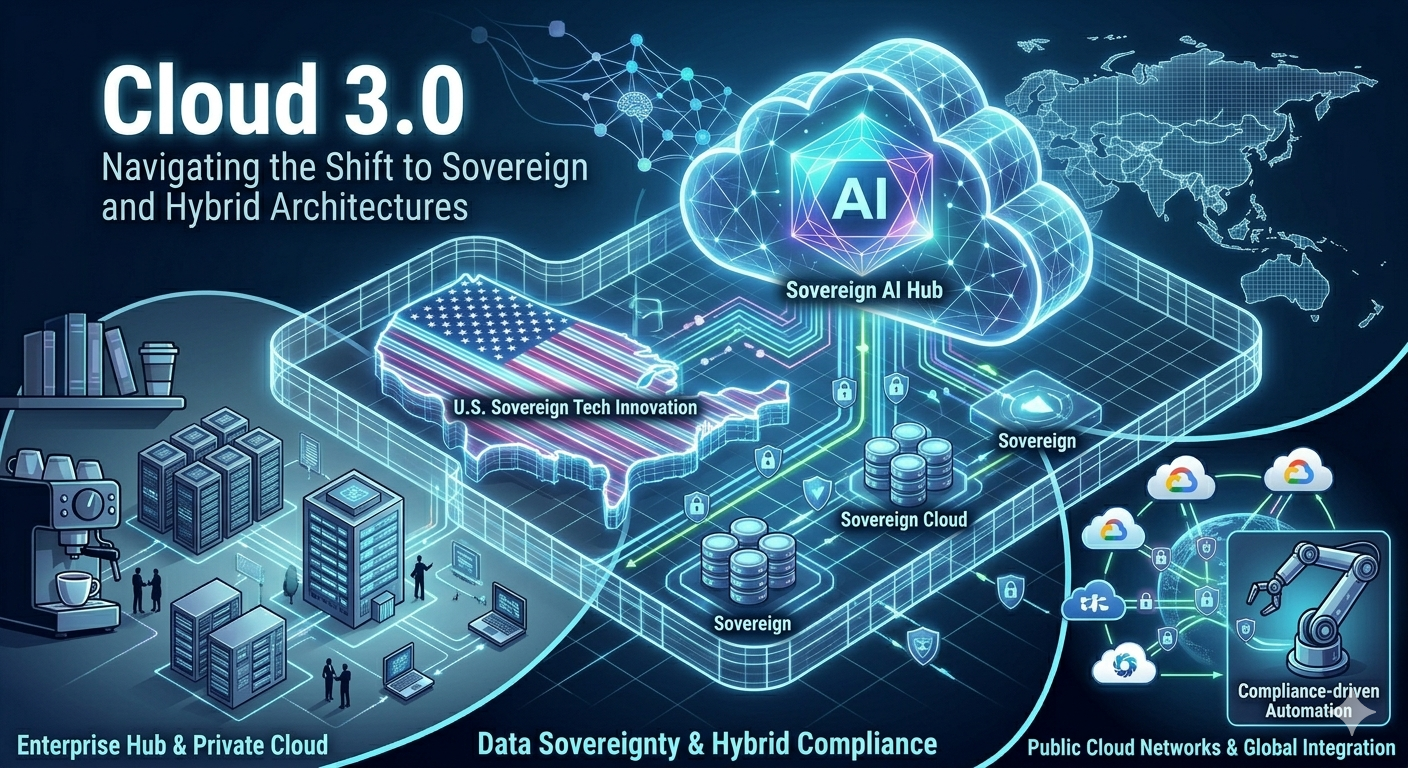
The End of the “All-in” Public Cloud Era For a decade, the mantra was “move everything to the public cloud.” But in 2026, the conversation has changed. We are now in the Cloud 3.0 phase. Organizations have realized that a one-size-fits-all approach to Amazon, Google, or Microsoft isn’t just expensive—it’s a risk to data sovereignty and performance.
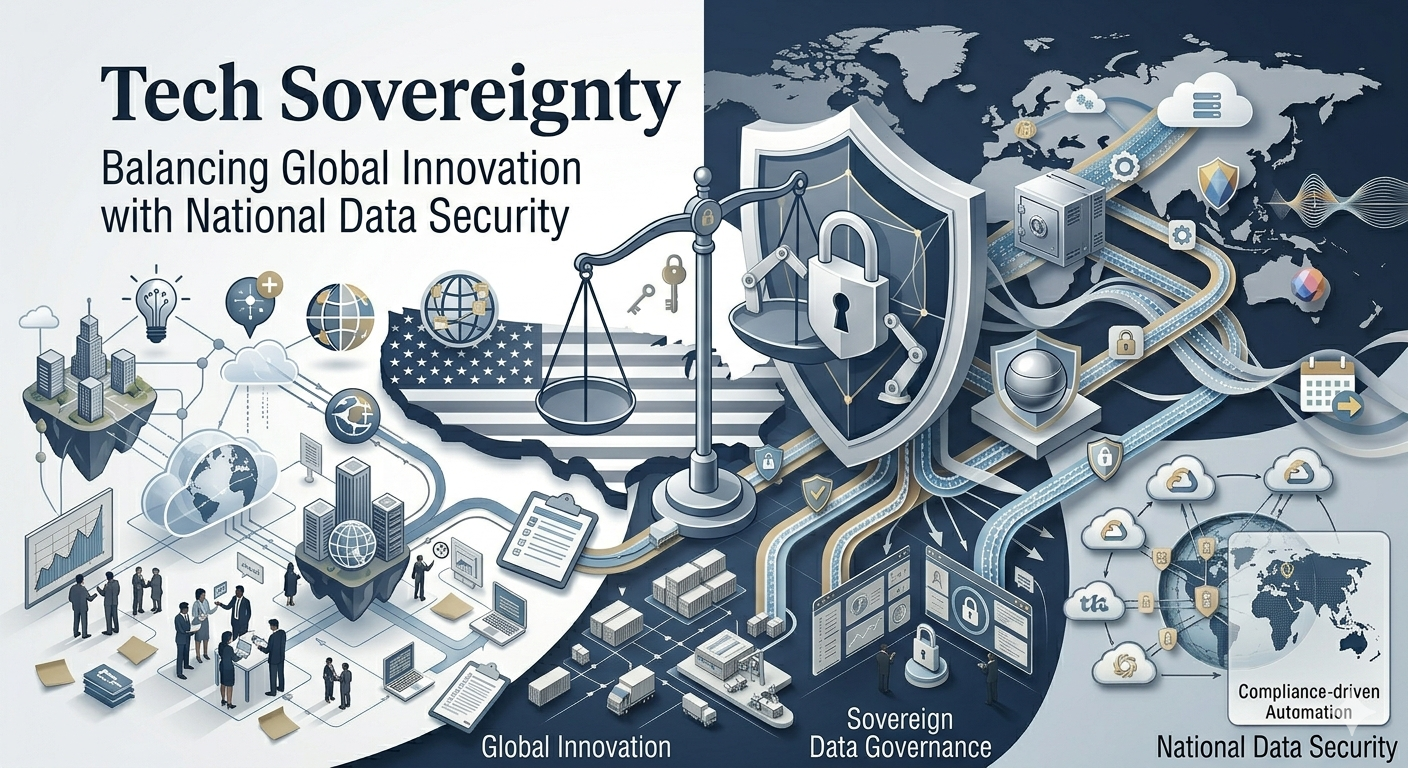
What is Cloud 3.0? Cloud 3.0 is characterized by resilient interdependence. It is a sophisticated mix of:
- Sovereign Clouds: Data centers located within specific national borders to comply with strict local privacy laws.
- Hybrid Infrastructure: Keeping sensitive “crown jewel” data on-premise while using the public cloud for scalable compute power.
- Multi-Cloud Management: Using specialized tools to move workloads between different providers based on cost, latency, and feature availability.
Driving Forces Behind the Shift
- The AI Demand: AI models require massive compute power, but fine-tuning them on proprietary company data creates privacy concerns. Cloud 3.0 allows companies to run high-performance AI on their own “Private Cloud” clusters.
- Regulatory Pressure: Governments worldwide are demanding more control over where their citizens’ data lives.
- Cost Optimization (FinOps): As cloud bills skyrocketed, companies began “repatriating” certain workloads to private servers to save millions in egress fees.
The Future is Distributed The “Cloud” is no longer a single place. It is a borderless fabric of interconnected nodes. For techpost.shop readers, the takeaway is clear: the future of IT infrastructure is not about choosing one provider, but about mastering the orchestration of many.







Leave a Reply